
This CTN’s blog post explores the fundamentals of oxygen therapy, its applications, who can benefit from it, and its influence on wellness and rehabilitation.
To understand the applications and benefits of oxygen therapy, it’s essential to grasp the underlying science. Our bodies rely on a continuous flow of oxygen to function at their best. The oxygen we breathe enters our lungs and travels into the bloodstream. Haemoglobin, a protein in red blood cells, carries this oxygen throughout the body, powering cell functions. Normally, breathing air with about 21% oxygen keeps blood oxygen levels sufficient in healthy individuals.
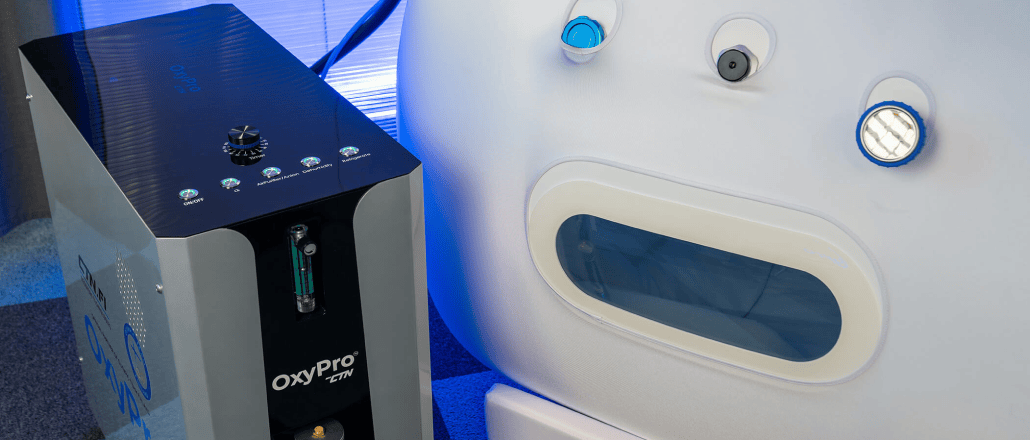
3. Hyperbaric Oxygen Therapy (HBOT): This involves breathing pure oxygen in a pressurised environment, which can help treat conditions like decompression sickness, chronic wounds, and certain infections.
Medical Applications
1. Chronic Obstructive Pulmonary Disease (COPD): Oxygen therapy helps manage symptoms and improve quality of life by ensuring sufficient oxygen levels in the blood.
2. Pneumonia: Severe pneumonia can reduce oxygen levels; supplemental oxygen helps maintain adequate oxygenation.
3. Asthma: During severe asthma attacks, oxygen therapy can alleviate hypoxemia and support breathing.
4. Heart Failure: Helps patients with heart failure maintain proper oxygen levels, reducing strain on the heart.
5. Sleep Apnoea: Continuous or intermittent oxygen therapy can assist individuals with sleep apnoea in maintaining oxygen levels during sleep.
6. COVID-19: Patients with severe COVID-19 often need oxygen therapy to help manage respiratory distress.
Oxygen therapy’s benefits extend beyond traditional medical uses, potentially improving wellness and quality of life. By ensuring the body receives an adequate supply of oxygen, this therapy can support various aspects of health and well-being, from physical performance and cognitive function to stress reduction and skin health. Here’s a detailed look at the different wellness applications of oxygen therapy:
1. Enhanced Physical Performance: Athletes and fitness enthusiasts increasingly use oxygen therapy to boost physical performance and speed up recovery, as higher oxygen levels enhance adenosine triphosphate (ATP) production, leading to better endurance and reduced fatigue. By improving oxygen delivery to muscles, oxygen therapy helps remove lactic acid and other metabolic waste products faster, reducing soreness and enabling individuals to train harder and recover quicker.
2. Cognitive Function Improvement: Adequate oxygenation is essential for maintaining cognitive functions such as memory, concentration, and mental clarity, and oxygen therapy can enhance focus and support brain health. Some studies suggest that oxygen therapy might also alleviate symptoms of neurodegenerative conditions like Alzheimer’s and Parkinson’s disease by improving brain oxygenation.
3. Stress Reduction and Relaxation: Oxygen therapy can have a calming effect on the nervous system, reducing anxiety levels and promoting a sense of well-being. It can also improve sleep quality by ensuring the body and brain receive adequate oxygen, leading to more restful and restorative sleep.
4. Anti-Aging and Skin Health: Oxygen therapy can enhance skin health by improving blood flow and delivering essential nutrients and oxygen to skin cells, promoting a more youthful appearance. Additionally, it helps heal and regenerate skin conditions such as acne, eczema, and psoriasis, leading to healthier, more vibrant skin.
5. Immune System Support: Oxygen therapy supports immune health by ensuring that immune cells receive the oxygen they need to function optimally, enhancing the body’s ability to fight off infections and diseases. It also aids in recovery from illnesses and provides essential support for individuals with chronic conditions affecting immune function.
Rehabilitation Applications
Oxygen therapy is increasingly being used in rehabilitation settings to support recovery and improve outcomes. Here’s how oxygen therapy is applied in rehabilitation settings:
1. Post-Surgical Recovery: Oxygen therapy supports post-surgical recovery by enhancing wound healing, reducing inflammation, and lowering the risk of infections. It also helps alleviate post-surgical pain by improving oxygenation and reducing inflammation, making the recovery process more comfortable for patients.
2. Physical Therapy and Injury Recovery: Oxygen therapy enhances physical therapy and injury recovery by accelerating healing and improving exercise tolerance, which helps patients participate more fully in rehabilitation exercises. It also reduces muscle soreness and stiffness by aiding in the removal of metabolic waste products, facilitating a quicker return to normal activities.
3. Stroke Rehabilitation: Oxygen therapy may support stroke rehabilitation by enhancing neuroplasticity and improving cognitive function, aiding in the recovery of motor and cognitive abilities. It also enhances overall mobility and physical function by ensuring adequate oxygen delivery to brain and muscle tissues, helping patients regain independence.
4. Chronic Pain Management: Oxygen therapy can provide relief from chronic pain by improving tissue oxygenation and reducing inflammation, which are key factors in pain management. Additionally, it can boost energy levels and enhance the overall quality of life for individuals with chronic pain conditions, helping them stay more active and engaged in daily activities.
Oxygen therapy can benefit a wide range of individuals, from those with chronic medical conditions to athletes seeking to enhance performance. Here are some groups who might find oxygen therapy beneficial:
Patients with Chronic Respiratory Conditions: People with COPD, emphysema, and severe asthma.
Patients with Cardiac Conditions: Those with heart failure or other heart issues.
Patients with Acute Respiratory Distress: Individuals with pneumonia or severe asthma attacks.
Post-Surgical Patients: Those recovering from major surgeries.
Athletes and Fitness Enthusiasts: For enhanced performance and quicker recovery.
Wellness Seekers: Anyone aiming to improve cognitive function, reduce stress, and enhance skin health.

Oxygen therapy is not only about treating illnesses but also about enhancing overall well-being and potentially increasing longevity. Here are some potential benefits:
Improved Energy Levels: Oxygen therapy may improve energy and well-being by delivering more oxygen to cells, which is essential for their energy production.
Enhanced Physical Endurance: Athletes and active individuals can use oxygen therapy to improve physical endurance and performance by boosting oxygen delivery directly to their muscles.
Better Sleep Quality: Sleep apnoea sufferers might find relief with oxygen therapy, promoting deeper sleep through better oxygenation.
Improved Mental Clarity and Focus: Oxygen therapy potentially enhances cognitive function, promoting better mental clarity, sharper focus, and overall brain health.
Support for Chronic Conditions: For those with chronic conditions like COPD, heart failure, and fibromyalgia, oxygen therapy can improve quality of life by alleviating symptoms and supporting overall health.
Enhanced Immune Function: Adequate oxygen levels support immune function, helping the body fight off infections and recover from illnesses more effectively. This can promote better overall health and longer life.
While oxygen therapy offers numerous benefits, it is essential to use it correctly and under medical supervision. Here are some important safety considerations:
Prescription and Monitoring: Oxygen therapy should be used only with a prescription from a qualified healthcare provider. The provider will determine the appropriate flow rate and duration based on the patient’s specific condition and needs.
Fire Hazard: Oxygen is highly flammable. It is important to keep oxygen equipment away from open flames, heat sources, and flammable materials. Smoking should be strictly avoided in environments where oxygen therapy is being administered.
Equipment Maintenance: Proper maintenance and handling of oxygen equipment are essential to ensure safety and effectiveness. Patients should receive thorough training on how to use and care for their oxygen devices.
Monitoring for Side Effects: While oxygen therapy is generally safe, it can have side effects if not used correctly. These can include dry or bloody nose, skin irritation from the nasal cannula or face mask, and, in rare cases, oxygen toxicity. Regular follow-ups with the healthcare provider are essential to monitor for any adverse effects.
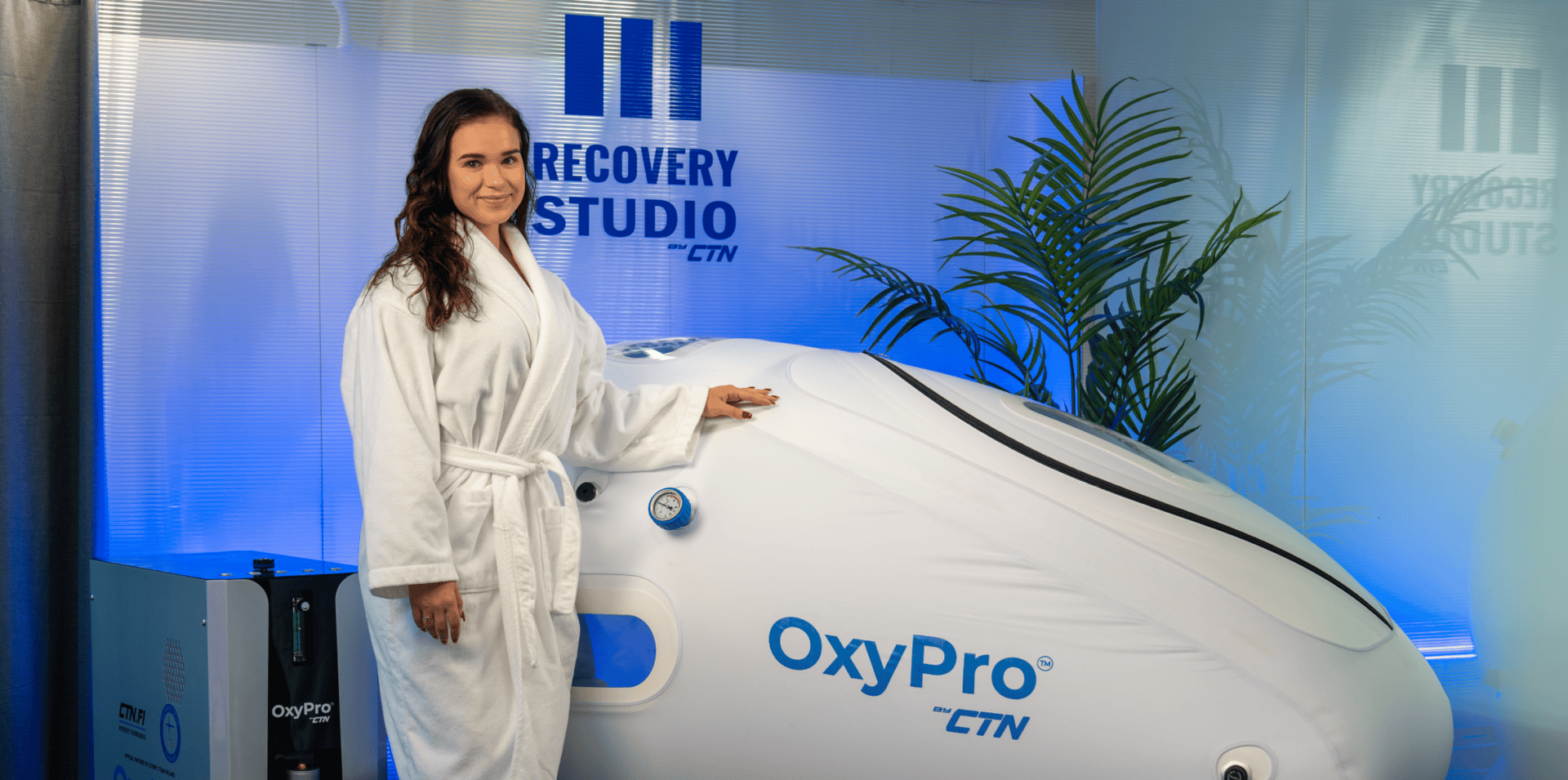
CTN stands for innovation in the field of mild hyperbaric oxygen therapy (mHBOT). They offer a range of mHBOT devices designed to optimise cellular function and accelerate healing through increased oxygen saturation. Let’s explore the features that make their technology unique:
1. User-Centric Design: CTN devices’ spacious chambers and intuitive controls create a relaxing and accessible treatment experience.
2. Advanced Technology for Optimal Results: CTN devices offer precise oxygen control for effective treatment and integrate advanced safety features to ensure peace of mind during therapy.
3. Flexibility and Choice: CTN provides a diverse range of models to meet various needs, from portable single-person chambers to multi-person units, with customisable features like adjustable pressure levels and optional accessories for enhanced comfort.
4. Commitment to Innovation: CTN focuses on continuous research to enhance their mHBOT technology, ensuring their devices provide effective solutions.
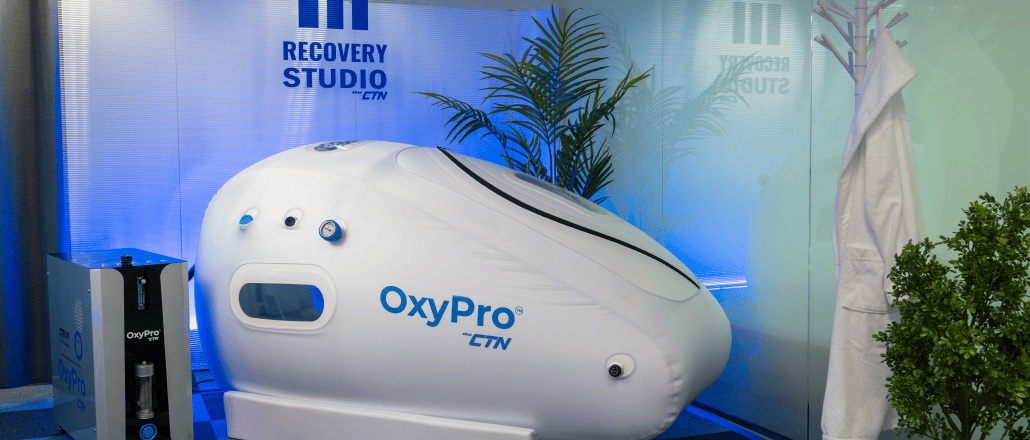
In the modern world of health and wellness, oxygen therapy is increasingly valued for its healing potential and cellular enhancement benefits. CTN devices stand out with their unique blend of features:
1. Relaxing Experience: CTN devices prioritise spacious interiors and ergonomic design, ensuring a relaxing and enjoyable treatment experience.
2. Simple Operation: CTN’s intuitive controls and user-friendly interfaces make mHBOT therapy accessible to everyone.
3. Consistent Results: CTN mild hyperbaric oxygen therapy (mHBOT) devices deliver precise and consistent oxygen levels, guaranteeing optimal therapeutic benefits.
4. Safety: CTN integrates advanced safety features to ensure a worry-free experience during your session.
5. Variety of Models: Whether you require a portable single-person unit for home use or a multi-person chamber, CTN offers a range of models to suit your specific needs.
6. Cutting-Edge Technology: CTN actively participates in research to stay on the leading edge of oxygen technology. This ensures their devices provide the most effective and up-to-date treatments available.
7. Dedicated Support: CTN prioritises customer satisfaction by offering dedicated support to help you get the most out of your CTN device.
Oxygen therapy extends far beyond its traditional role in treating respiratory issues. It has the potential to be a powerful tool for enhancing wellness, potentially promoting longevity, and aiding in rehabilitation. By ensuring the body has a steady stream of this vital gas, oxygen therapy can support a surprising range of health aspects.
This includes:
However, caution is key. It’s crucial to follow your doctor’s instructions and safety guidelines to ensure you reap the benefits of oxygen therapy while minimising any potential risks. As research delves deeper, the role of oxygen therapy in promoting health and well-being is likely to expand, offering exciting possibilities for those seeking to optimise their health journey.
CTN is a globally operating group that innovates recovery devices and treatment methods developed in Finland. With over 100 years of collective experience in high technology, CTN’s patents have revolutionised traditional operating models worldwide.
The CTN Academy™ offers EU-accredited user training, ensuring comprehensive knowledge for device users.
For more information, visit CTN’s website.


